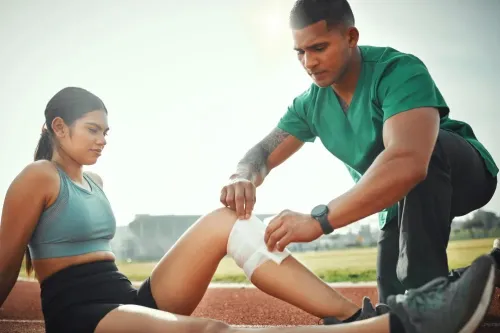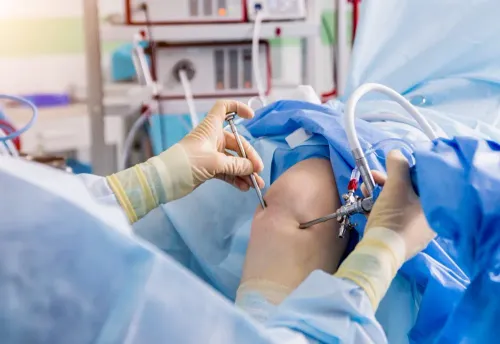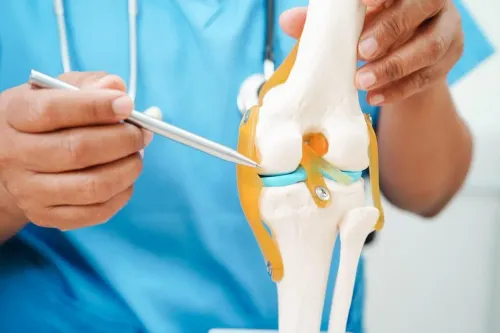


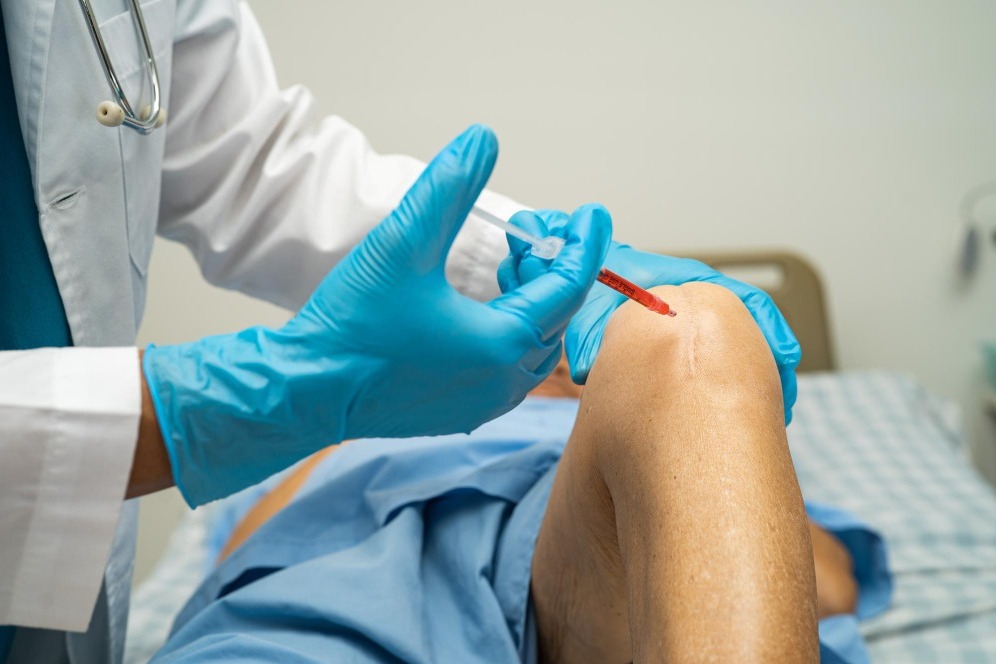
Persistent joint or tendon pain can interfere with everyday activities, whether it is climbing stairs, lifting objects, playing sports, or exercising. While conventional treatments such as medication and physiotherapy remain effective for many people, some patients may benefit from regenerative treatment options. One such approach is the PRP Injection, which has gained attention for managing selected orthopaedic and sports-related conditions.
As more people in Bengaluru seek minimally invasive treatment options, understanding how PRP therapy works and when it may be recommended can help patients make informed decisions.
What Is a PRP Injection?
PRP stands for Platelet-Rich Plasma. The treatment involves collecting a small sample of the patient's blood and processing it to concentrate platelets, which contain naturally occurring growth factors. This concentrated plasma is then injected into the affected area under appropriate clinical guidance.
Since PRP uses the patient's own blood components, the procedure is considered an autologous treatment.
Conditions That May Benefit from PRP Therapy
PRP injections are commonly considered for certain musculoskeletal conditions, including:
- Tennis elbow
- Golfer's elbow
- Patellar tendon injuries
- Achilles tendinopathy
- Mild to moderate knee arthritis
- Rotator cuff tendinopathy
- Plantar fasciitis
- Some ligament injuries
The suitability of PRP depends on the specific diagnosis, severity of the condition, and the individual's overall health.
What Happens During the Procedure?
The treatment is generally performed as an outpatient procedure.
Typical steps include:
- Drawing a small amount of blood.
- Processing the sample using a centrifuge to separate platelet-rich plasma.
- Preparing the treatment site.
- Injecting the concentrated PRP into the affected tissue, sometimes using ultrasound guidance for greater precision.
Most procedures are completed within an hour.
Recovery After PRP Injection
Recovery recommendations vary depending on the treated area.
Patients are often advised to:
- Rest the treated joint for a short period.
- Avoid strenuous activity initially.
- Follow prescribed physiotherapy.
- Attend follow-up appointments.
- Resume sports gradually based on medical advice.
Improvement may occur gradually as healing progresses over several weeks.
Is PRP Right for Everyone?
PRP therapy is not appropriate for every patient or every condition. Factors such as advanced joint damage, active infections, certain blood disorders, or specific medications may influence eligibility.
A detailed clinical evaluation helps determine whether PRP is likely to provide meaningful benefits.
Choosing PRP Treatment in Bengaluru
With growing awareness of regenerative orthopaedic care in Bengaluru, patients should seek treatment from centres that combine accurate diagnosis with evidence-informed decision-making. Rapha Sports & Regenerative Orthopaedics evaluates whether a PRP Injection is appropriate based on the patient's symptoms, imaging findings, activity level, and treatment goals. This personalised approach helps ensure that regenerative therapies are recommended only when they are clinically suitable.