
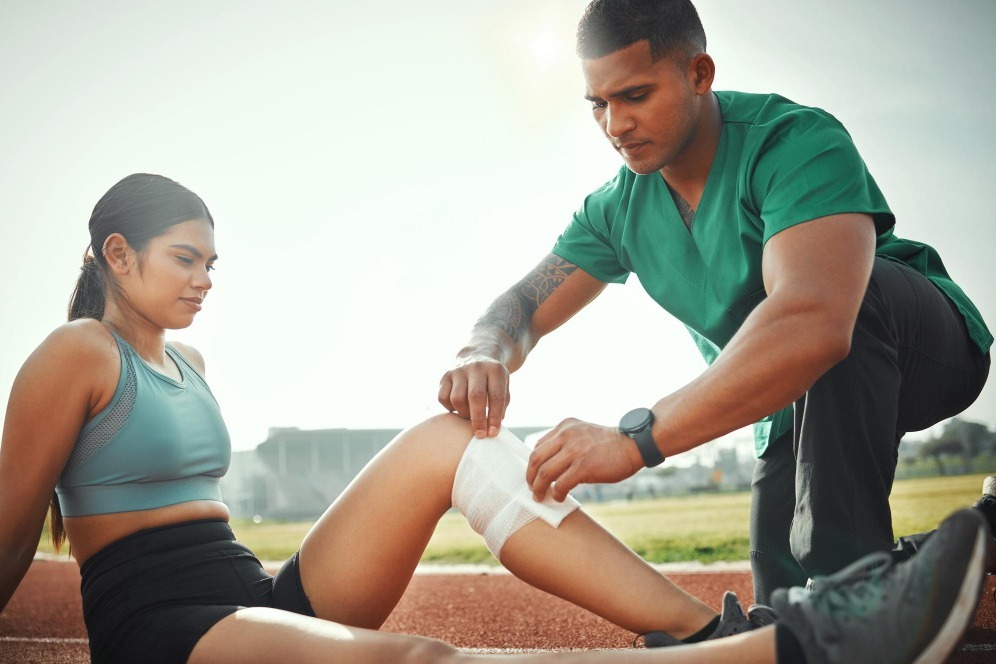
Sports injuries are not limited to professional athletes. Whether you enjoy weekend cricket, regular gym workouts, marathon running, football, badminton, cycling, or even daily fitness routines, injuries can affect anyone who places repeated stress on their muscles, joints, ligaments, or tendons. Understanding how these injuries occur and when to seek expert care can make a significant difference in recovery and long-term joint health.
In a growing city like Bengaluru, where fitness culture continues to expand, sports-related injuries have become increasingly common among people of all age groups. Early evaluation by specialists in Sports Medicine helps prevent minor problems from developing into chronic conditions.
Common Sports Injuries
Sports injuries can occur suddenly during an accident or develop gradually because of repetitive movements. Some of the most frequently seen conditions include:
- Ligament sprains
- Muscle strains
- Tendon inflammation
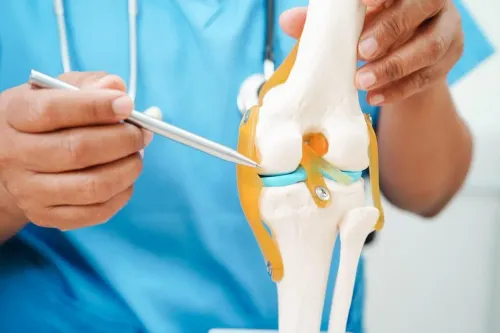
- Meniscus injuries
- Shoulder instability
- Tennis elbow
- Runner's knee
- Stress fractures
- Ankle injuries
Although many injuries initially appear mild, continuing physical activity without proper assessment may worsen the damage.
Signs That Should Not Be Ignored
Certain symptoms indicate that professional evaluation may be necessary.
These include:
- Persistent joint pain
- Swelling lasting more than a few days
- Difficulty bearing weight
- Reduced range of motion
- Joint instability
- Locking or catching sensations
- Pain during sports activities
- Recurrent injuries affecting the same joint
Ignoring these warning signs may increase recovery time and affect future physical performance.
Why Early Sports Medicine Evaluation Matters
Sports medicine specialists focus not only on treating injuries but also on understanding why they occurred. A thorough assessment may include:
- Clinical examination
- Movement analysis
- Muscle strength evaluation
- Joint stability assessment
- Imaging investigations when required
Identifying the underlying cause helps develop an appropriate treatment strategy rather than simply managing symptoms.
Treatment May Not Always Require Surgery
Many sports injuries improve with timely conservative care, including:
- Activity modification
- Physiotherapy
- Strengthening exercises
- Mobility training
- Pain management
- Rehabilitation programmes
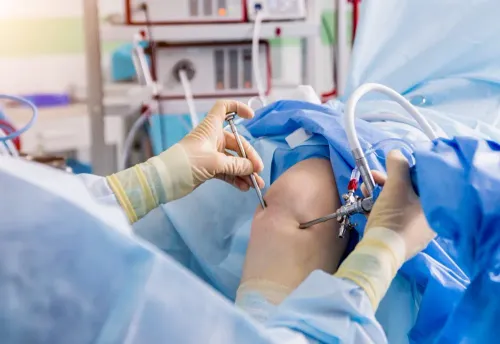
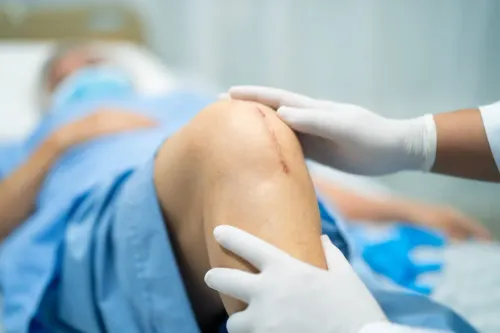
When surgery becomes necessary, advances in minimally invasive techniques often help patients recover more comfortably while preserving joint function.
Preventing Future Injuries
Preventive strategies are equally important.
These include:
- Proper warm-up before exercise
- Gradual progression of training intensity
- Correct sports techniques
- Strength and flexibility training
- Adequate recovery between workouts
- Wearing suitable footwear and protective equipment
These habits reduce injury risk and support long-term performance.
Sports Medicine Care in Bengaluru
With increasing participation in recreational and competitive sports across Bengaluru, access to specialised sports injury assessment has become more important than ever. Experienced centres such as Rapha Sports & Regenerative Orthopaedics evaluate each injury individually and recommend treatment based on clinical findings, activity level, and recovery goals. Early diagnosis often helps individuals return safely to their preferred activities while protecting long-term joint health.