

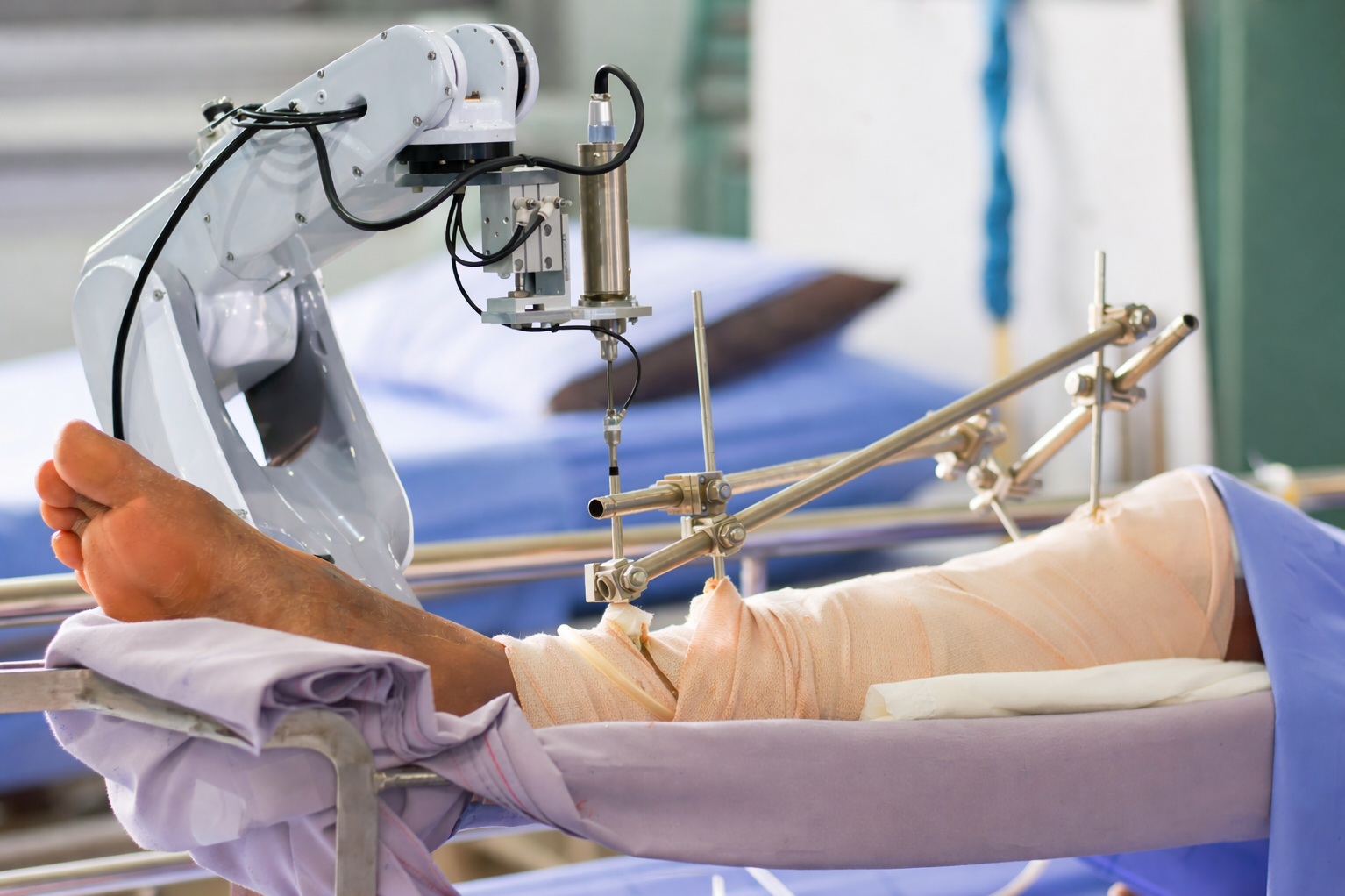
Robotic surgery specialist is a term that often sparks curiosity, and sometimes concern too. Does it mean a machine is performing the procedure? Not really. It’s more about enhancing surgical precision while keeping the surgeon fully in control.
At Rapha Sports and Regenerative Orthopaedics in Bengaluru, Dr. Joel Prasad uses robotic-assisted techniques to support joint procedures that require a high level of accuracy. These systems help in detailed pre-surgical planning and allow for better alignment during the procedure, especially in complex joint cases.
One of the most common concerns patients have is safety. That’s completely understandable. Any surgical recommendation brings questions with it. Robotic assistance, however, is designed to complement the surgeon’s experience, not replace it. It provides real-time guidance and improves consistency, which can be especially valuable in procedures where precision matters significantly.
Another aspect people often think about is recovery. While every patient’s healing journey is different, procedures performed with better planning and accuracy may help reduce unnecessary tissue stress, supporting smoother recovery phases.
Modern orthopedic care is gradually moving toward techniques that combine expertise with technology to improve outcomes. Robotic-assisted surgery is one such advancement, focused on making procedures more predictable and aligned with long-term joint function.
If you’ve been advised surgery and are exploring advanced options, understanding how robotic support works can help you feel more informed and confident about your decision.