

When walking starts feeling like effort instead of something natural… the knee is usually asking for attention.
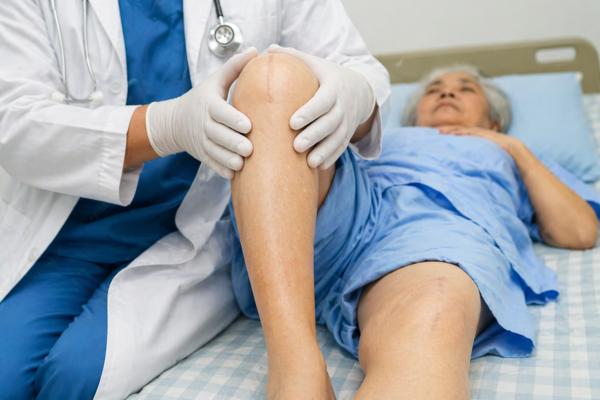
It doesn’t happen overnight. At first, it’s a mild discomfort after long walks, then difficulty with stairs, and slowly, even standing for a while becomes tiring. Knee pain has a way of creeping into everyday life without warning.
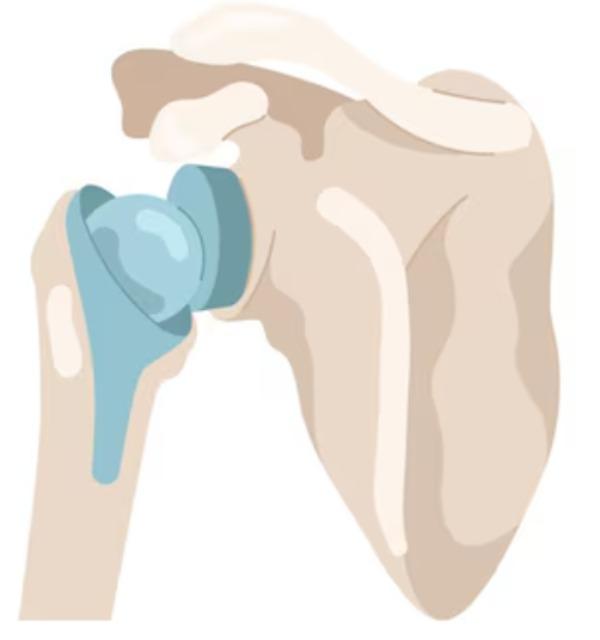
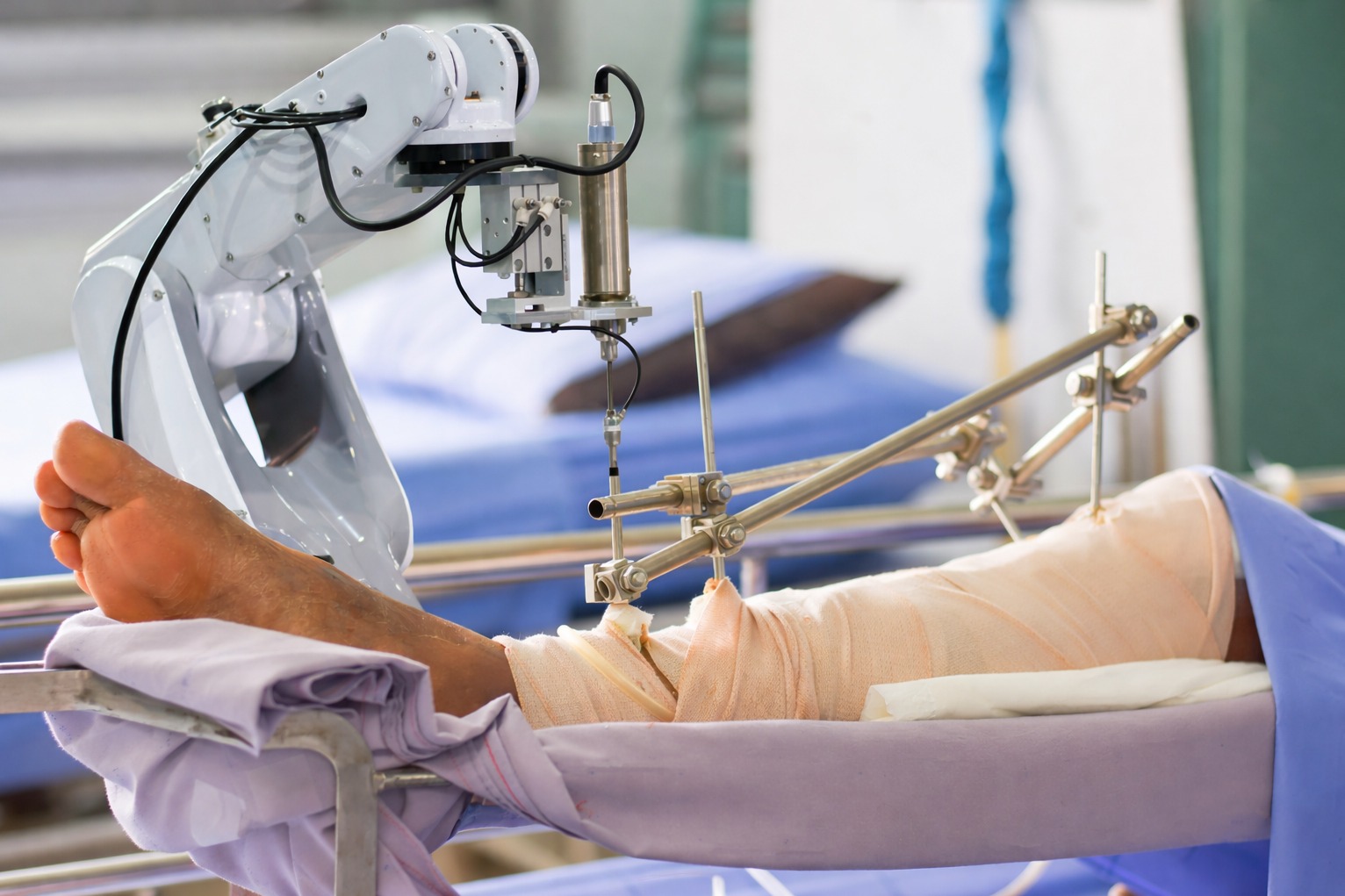
In many cases, this progression is linked to joint degeneration such as arthritis. While early stages can often be managed with physiotherapy or lifestyle adjustments, advanced stages require more precise solutions. That’s where robotic-assisted knee replacement begins to make sense.
At Rapha Sports and Regenerative Orthopaedics, Bengaluru, Dr. Joel Prasad follows a step-wise approach, starting with conservative and regenerative treatments before moving toward surgery only when needed. This ensures that patients are not rushed into procedures prematurely.
Robotic knee replacement allows for more personalised planning. Since every joint structure is different, precision in alignment plays a key role in how the knee functions after surgery. The use of technology helps in refining that accuracy, which may support better movement outcomes.
What stands out here is the balance between technology and decision-making. The goal is not just to perform surgery, but to choose it at the right stage.
If knee discomfort has started affecting your daily movement or confidence while walking, consulting Dr. Joel Prasad at Rapha Sports and Regenerative Orthopaedics, Bengaluru can help you explore whether regenerative care or advanced surgical options are appropriate.